MACLAS 2026
Pedagogies of Possibility: Teaching, Learning, and Decolonizing Knowledge in Turbulent Times
PennWest California Campus (California, Pennsylvania)
Friday, March 13 & Saturday, March 14, 2026
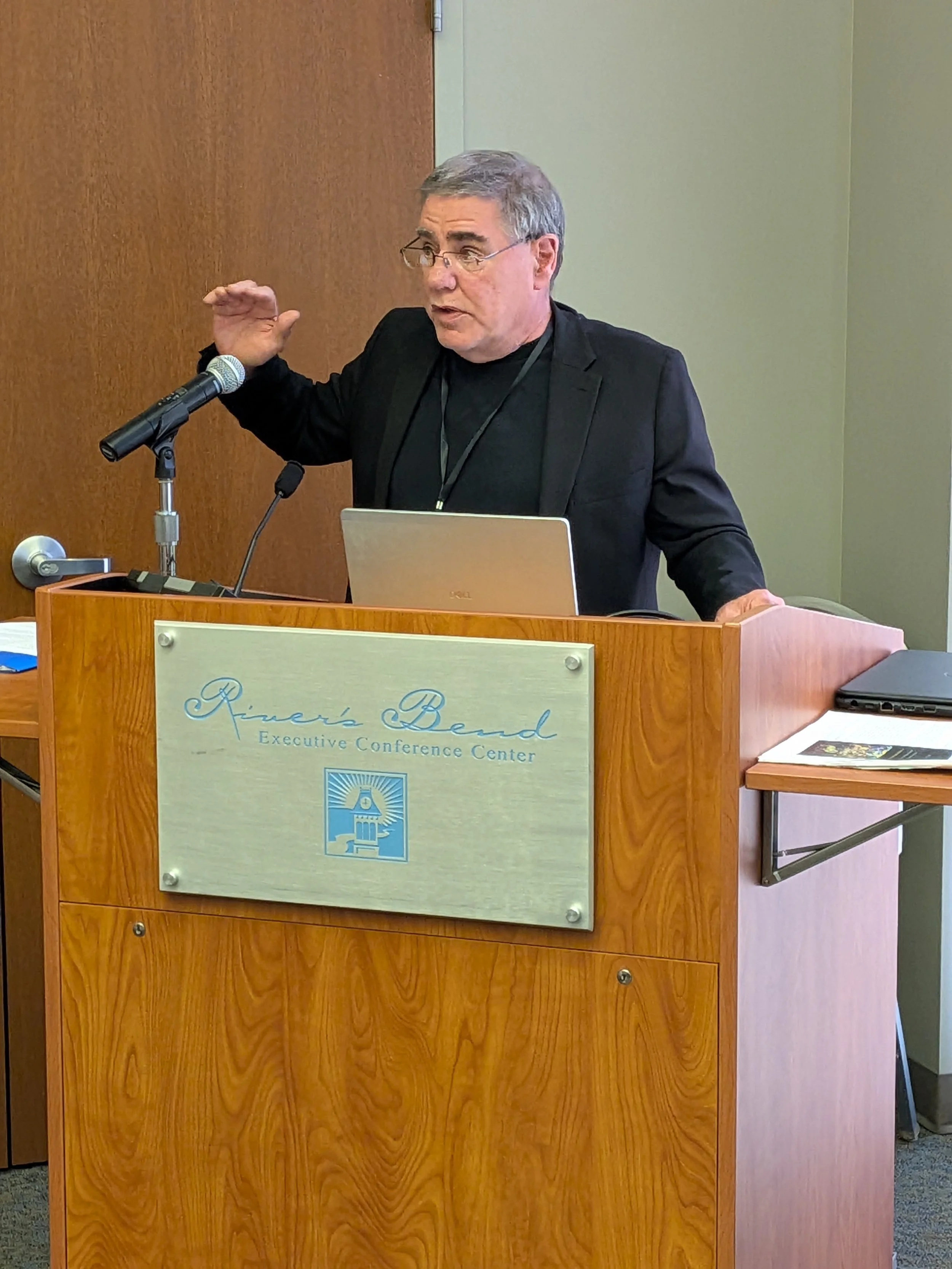
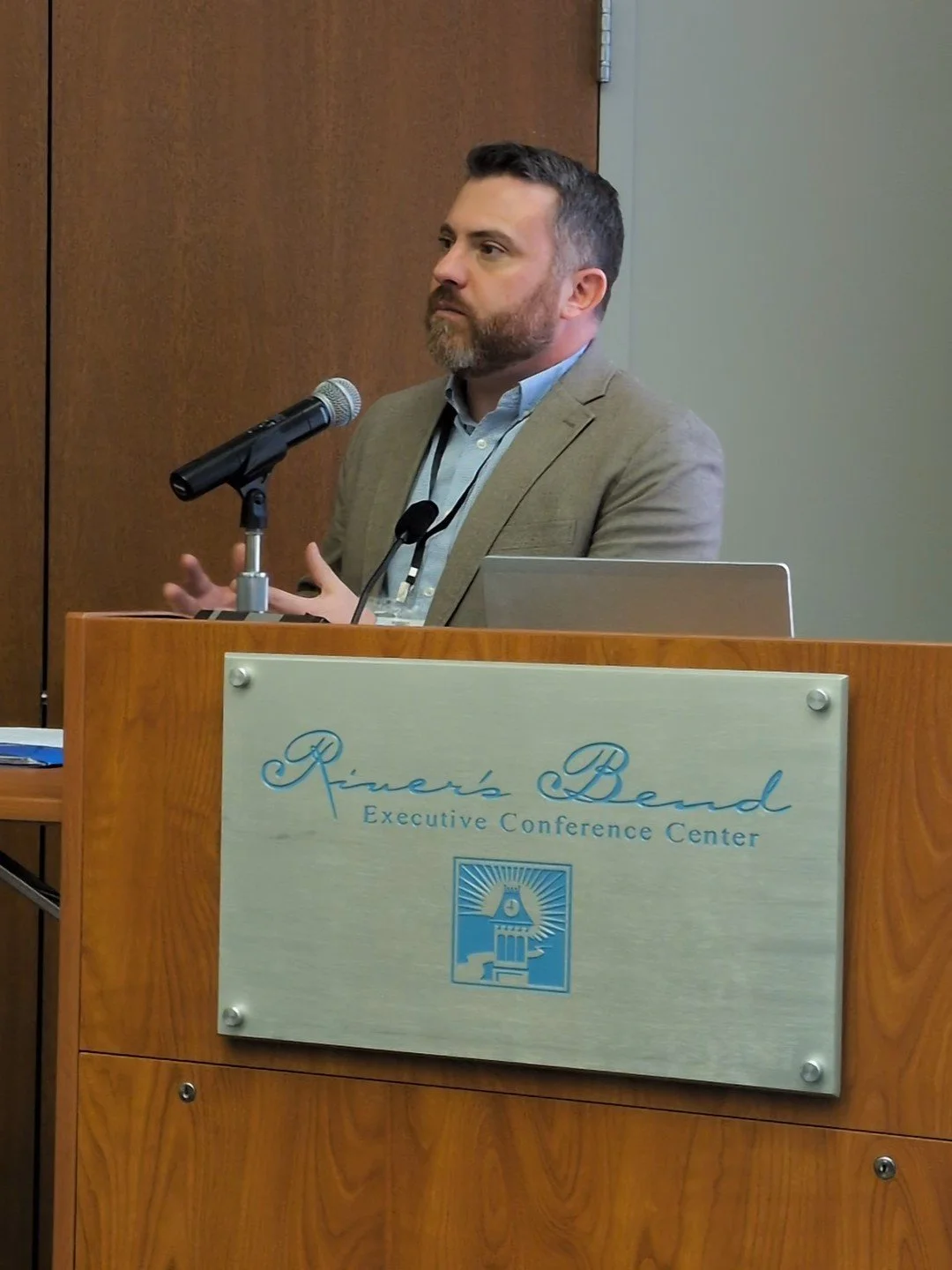
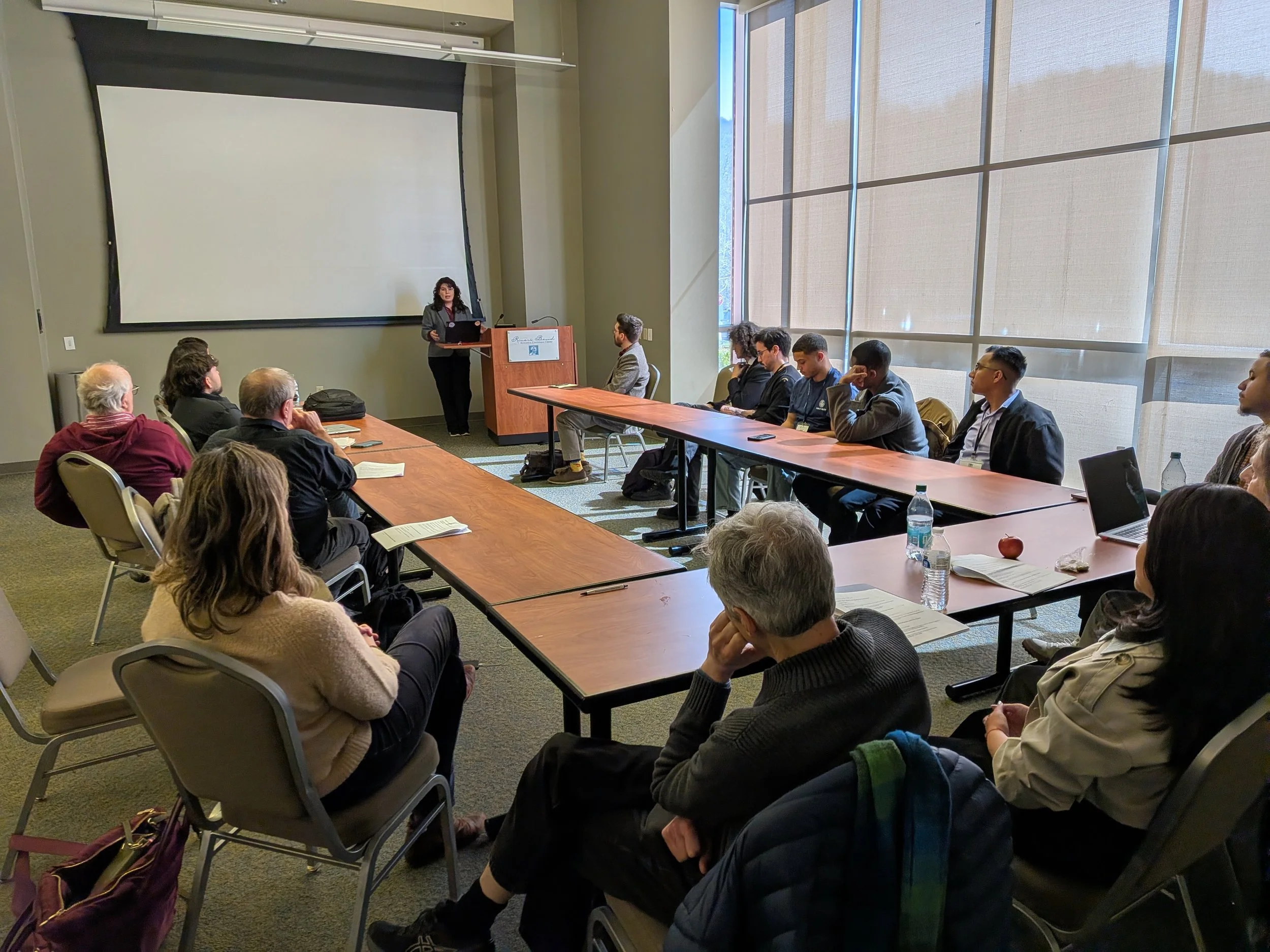
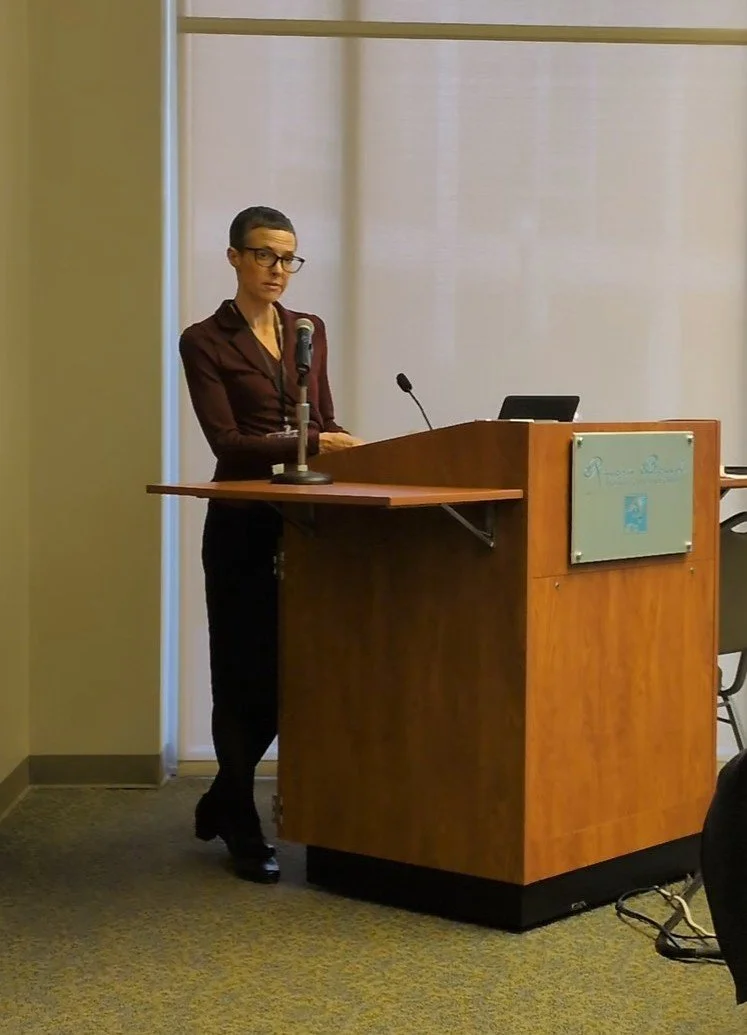
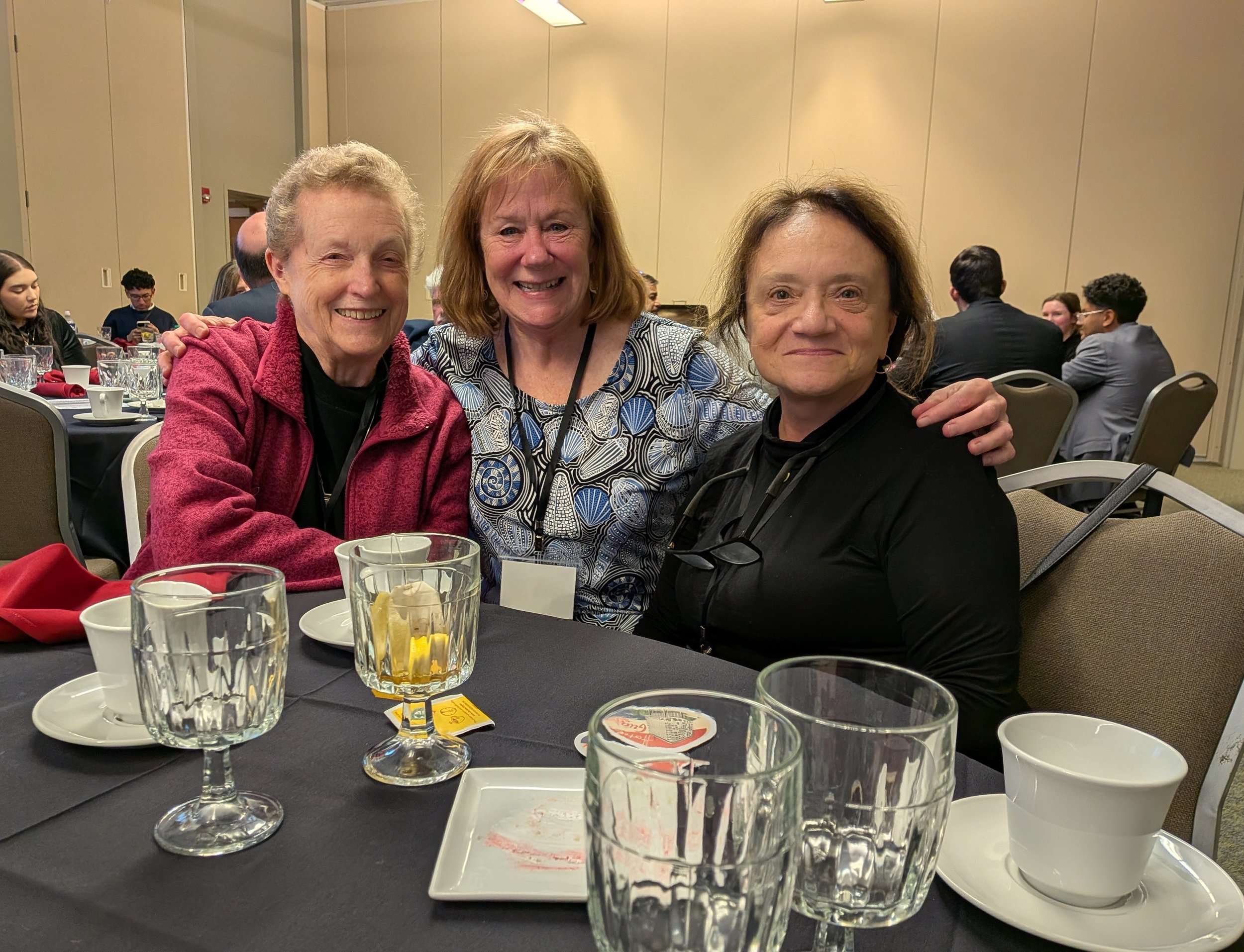
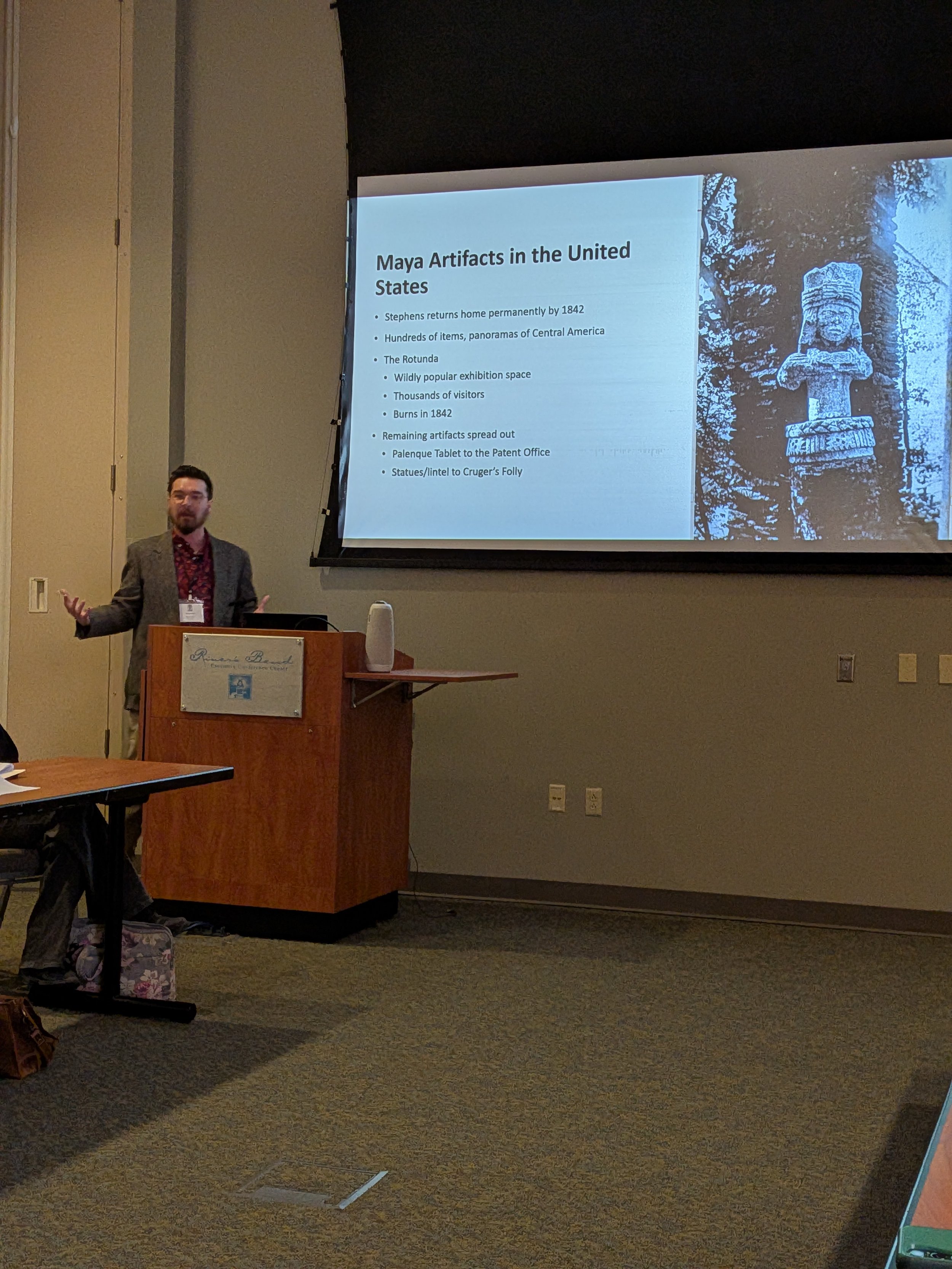
We are pleased to share that the MACLAS 2026 conference at PennWest California was a wonderful success. The conference brought together a rich range of engaging panels and conversations, along with our Friday evening dinner and Whitaker Address, as well as the business meeting and awards luncheon.
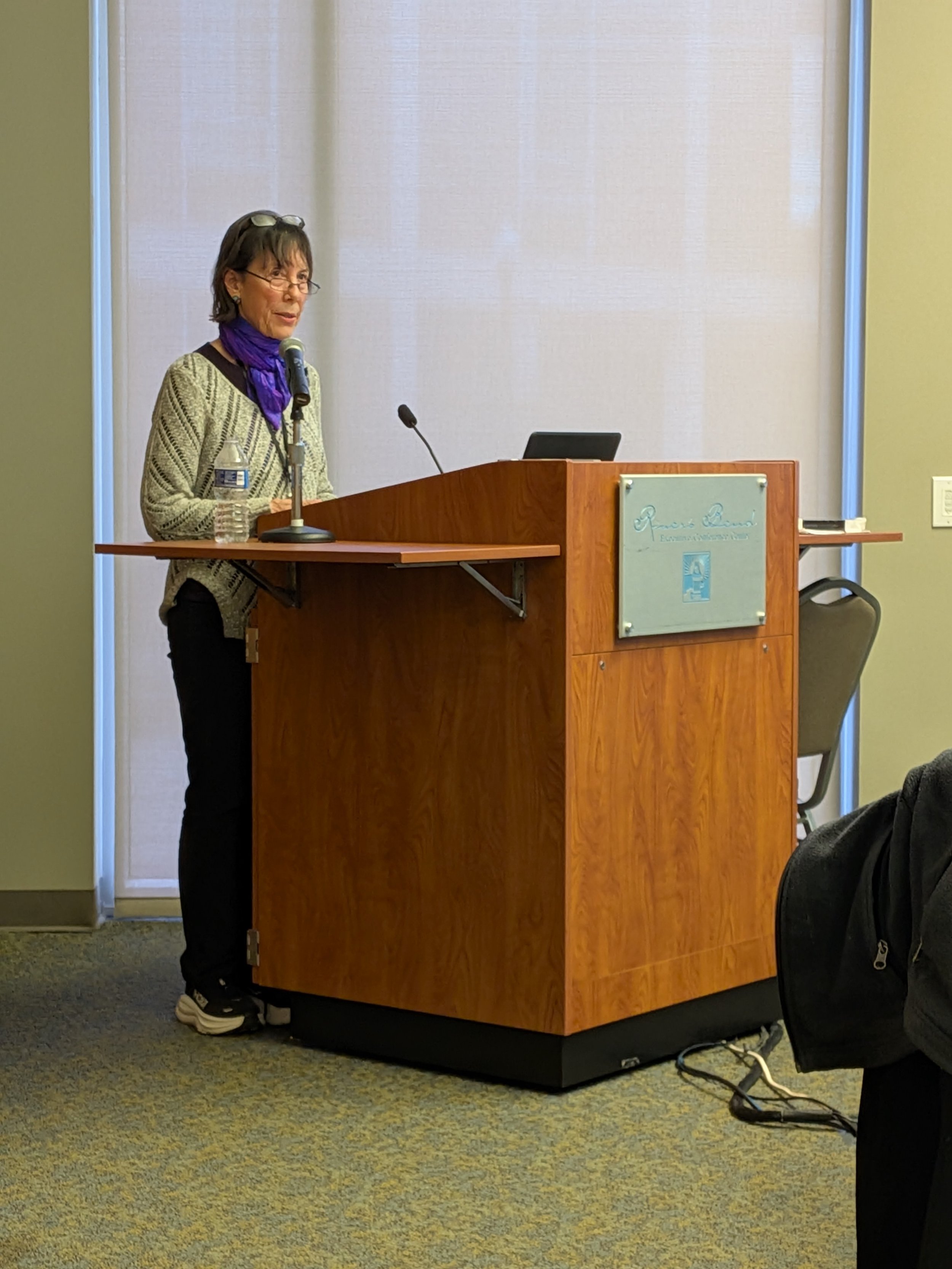
Our keynote speaker was Brooke Larson, Professor Emerita of History at Stony Brook University. She delivered the Whitaker Address on her recent book, The Lettered Indian (2024), an ethnographic history of Indigenous education in Bolivia and its broader significance for questions of nation-building, race, and citizenship across the twentieth century.
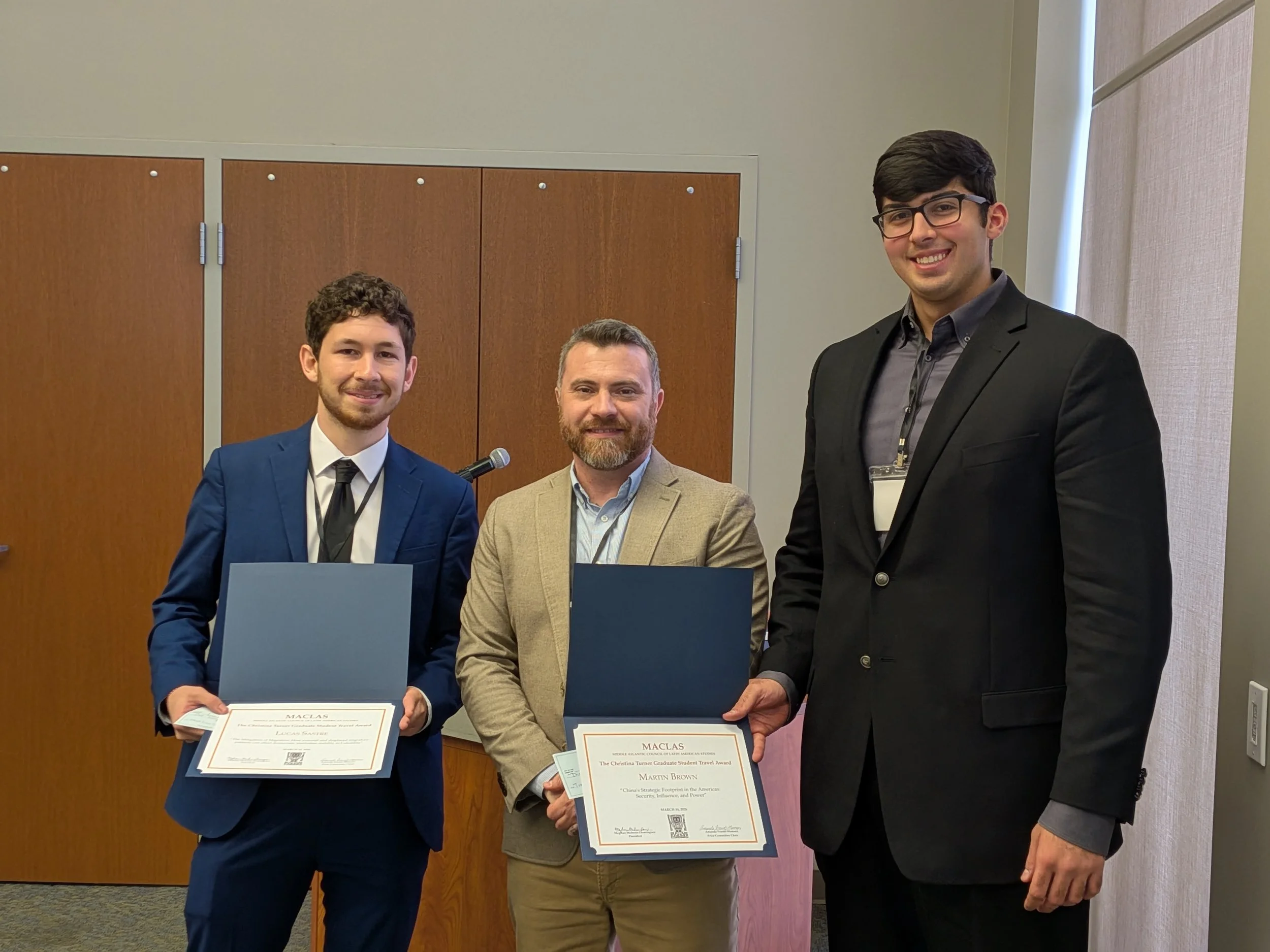
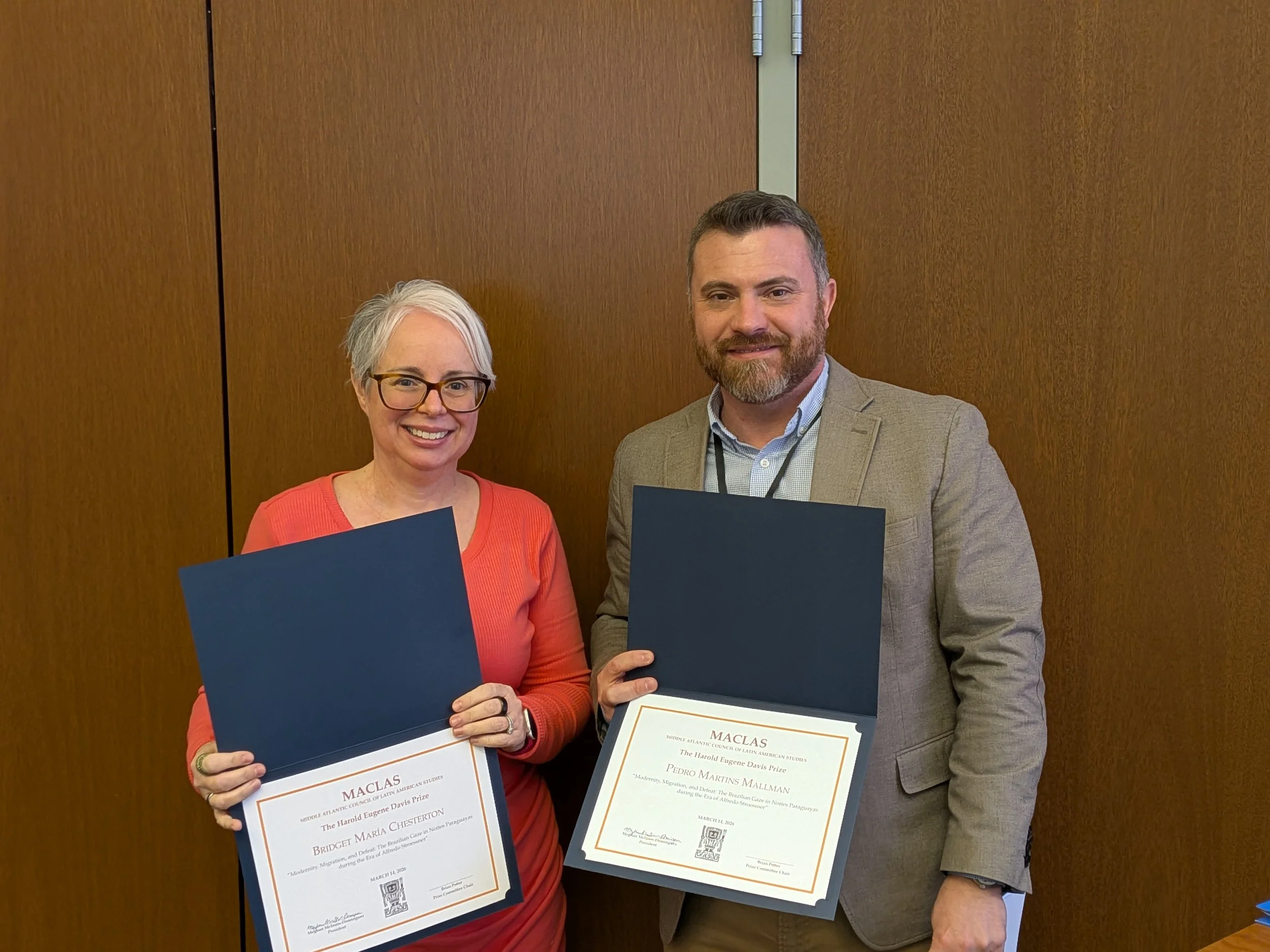
Below, you will find a photo gallery from the conference as well as a list of this year’s award recipients. We encourage you to consider joining us next year at Kean University on March 19–20, 2027. Kean is a strong site for MACLAS because of its commitment to equity, student success, community engagement, and accessibility. Kean’s investment in CRECE and The Hispanic Leadership Center makes it an exciting host for the next gathering.
MACLAS Prizes & Awards
MACLAS offers several annual prizes and grants recognizing outstanding scholarship, research, and service. Below is a list of current awards, chairs, and submission deadlines.
The Harold Eugene Davis Prize
The Davis Prize is awarded each year for the best book chapter or article published in the previous two years by a MACLAS member in good standing for the past two years.
Chair: Brian Potter, potter@tcnj.edu
Submission Deadline: February 3, 2026
The Juan Espadas Prize
The Juan Espadas Prize is given for the best paper submitted to the MACLAS conference by an undergraduate student. Undergraduate papers presented at this year’s conference will be eligible for next year’s prize.
Chair: Sergio Maldonado, smald016@ucr.edu
Submission Deadline: July 1, 2026
The Władysław Maryan Froelich Research Grant
The Władysław Maryan Froelich Research Grant supports access to special research materials.
Chair: Mirna Trauger, mirnatrauger@muhlenberg.edu
Submission Deadline: February 3, 2026
The John D. Martz III Prize
The John D. Martz III Prize is awarded for the best graduate student paper presented at the previous MACLAS conference.
Chair: Gonzalo Aguiar Malosetti, gonzalo.aguiar@oswego.edu
Submission Deadline: September 1, 2026
The Judy McInnis Distinguished Service Award
The Judy McInnis Distinguished Service Award recognizes exceptional and sustained service to MACLAS.
Chair: Gloria Clark, gbc3@psu.edu
Submission Deadline: February 3, 2026
The James Street Prize
This prize is awarded to the author of the best peer-reviewed article published in MARLAS during the previous two years.
Chair: Alistair Hattingh, hattingh@muskingum.edu
The Arthur P. Whitaker Prize
The Arthur P. Whitaker Prize is awarded for the best book published by a MACLAS member in the previous two years. Authors must have been MACLAS members in good standing for the prior two years to be eligible.
Chair: Brian Potter, potter@tcnj.edu
Submission Deadline: February 3, 2026
The Christina Turner Graduate Student Travel Award
This award supports graduate student participation in the annual MACLAS conference.
Chair: Amanda Frantz-Mamani, mamani@coaxpa.com
Submission Deadline: February 3, 2026
Call for Papers
English
CALL FOR PAPERS
MACLAS 2026 • PennWest California Campus• Friday, March 13 and Saturday, March 14, 2026
Theme: Pedagogies of Possibility: Teaching, Learning, and Decolonizing Knowledge in Turbulent Times
From the Garífuna communities along the Caribbean coast and the Andean highlands of Bolivia to the urban peripheries of São Paulo, Mexico City, Buenos Aires, and Santiago, Latin America and the Caribbean are undergoing profound social, cultural, and environmental transformations. Chile and Uruguay are pioneering rapid energy transitions; Brazil, Peru, and Colombia are fighting to safeguard Amazonian territories; Mexico is elevating Indigenous languages in public life; and vibrant creative economies are emerging in Medellín and Buenos Aires. Universities across the region—public and private—are also addressing lingering post-pandemic inequities, student well-being, and uneven access to digital and AI tools.
In this landscape, pedagogies of possibility weave together local knowledge, ancestral philosophies, and critical transnational analysis to re-imagine teaching and research. Decolonizing the curriculum means foregrounding Afro-Latin American and Indigenous epistemologies, pursuing language justice in Guaraní, Quechua, Mapudungun, and other Native languages, and building equitable partnerships with collectives, NGOs, and social movements advancing human and climate rights. Open Educational Resources, participatory action research, and community digital archives complement these efforts, while emerging technologies—including AI—offer fresh opportunities and ethical challenges for producing and sharing knowledge within and beyond the region.
MACLAS 2026 invites faculty and researchers from all fields—humanities, social sciences, natural sciences, arts, and professional programs—whose work engages these diverse realities. Whether you trace Maya agro-ecological systems, analyze public-health initiatives in Rio’s favelas, study contemporary Mapuche poetry, investigate robotics education in Monterrey, or map Dominican trap-music scenes, we look forward to your insights on teaching, learning, and decolonizing knowledge in turbulent times.
While proposals that engage the conference theme are especially welcome, papers and posters on any topic related to Latin America, the Caribbean, or Latino/a/e communities—past or present—are enthusiastically encouraged.
Español
CONVOCATORIA DE PONENCIAS
MACLAS 2026 • PennWest California Campus Convention Center • viernes 13 y sábado 14 de marzo de 2026
Tema: Pedagogías de la Posibilidad: Enseñanza, Aprendizaje y Descolonización del Conocimiento en Tiempos Turbulentos
Desde las comunidades garífunas del Caribe y los altos andinos de Bolivia hasta las periferias urbanas de São Paulo, Ciudad de México, Buenos Aires y Santiago, América Latina y el Caribe atraviesan transformaciones sociales, culturales y ambientales de gran calado. Chile y Uruguay ensayan transiciones energéticas aceleradas; Brasil, Perú y Colombia luchan por proteger la Amazonía; México impulsa el reconocimiento público de lenguas indígenas; y economías creativas florecen en Medellín y Buenos Aires. Las universidades—públicas y privadas—también afrontan desigualdades pospandémicas, el bienestar estudiantil y el acceso dispar a tecnologías digitales y de IA.
En este contexto, las pedagogías de la posibilidad articulan saberes locales, filosofías ancestrales y análisis transnacional crítico para reimaginar la docencia y la investigación. Descolonizar el currículo implica visibilizar epistemologías afro-latinoamericanas e indígenas, promover la justicia lingüística en guaraní, quechua, mapudungun y otras lenguas originarias, y forjar alianzas equitativas con colectivos, ONG y movimientos sociales que defienden derechos humanos y climáticos. Los Recursos Educativos Abiertos, la investigación-acción participativa y los archivos digitales comunitarios se suman a estas iniciativas, mientras las tecnologías emergentes—IA incluida—plantean nuevas oportunidades y dilemas éticos para la producción y difusión del conocimiento.
MACLAS 2026 invita a docentes e investigadores de todas las áreas—humanidades, ciencias sociales, naturales, artes y profesiones—cuyas prácticas dialogan con estas realidades plurales. Ya estudies los sistemas agroecológicos mayas, las políticas de salud pública en las favelas de Río, la poesía mapuche contemporánea, la educación en robótica en Monterrey o las escenas del trap dominicano, esperamos tus aportes sobre enseñanza, aprendizaje y descolonización del conocimiento en tiempos turbulentos.
Aunque se valoran especialmente las propuestas vinculadas al tema de la conferencia, se reciben con entusiasmo ponencias y pósteres sobre cualquier tema relacionado con América Latina, el Caribe o las comunidades latino/a/e, en cualquier periodo histórico.
Português
CHAMADA DE TRABALHOS
MACLAS 2026 •PennWest California Campus Conference Center • sexta‑feira, 13, e sábado, 14 de março de 2026
Tema: Pedagogias da Possibilidade: Ensino, Aprendizagem e Descolonização do Conhecimento em Tempos Turbulentos
Da costa garífuna no Caribe e dos altiplanos andinos da Bolívia às periferias urbanas de São Paulo, Cidade do México, Buenos Aires e Santiago, a América Latina e o Caribe vivem transformações sociais, culturais e ambientais intensas. Chile e Uruguai lideram transições rápidas para energias limpas; Brasil, Peru e Colômbia defendem territórios amazônicos; o México promove línguas indígenas no espaço público; e economias criativas ganham força em Medellín e Buenos Aires. Universidades de toda a região—públicas e privadas—enfrentam desigualdades pós-pandemia, o bem-estar estudantil e o acesso desigual a ferramentas digitais e de IA.
Nesse cenário, as pedagogias da possibilidade entrelaçam saberes locais, filosofias ancestrais e análise transnacional crítica para reinventar ensino e pesquisa. Descolonizar o currículo significa destacar epistemologias afro-latino-americanas e indígenas, buscar justiça linguística em guarani, quéchua, mapudungun e outras línguas originárias, e construir parcerias equitativas com coletivos, ONGs e movimentos sociais que promovem direitos humanos e climáticos. Recursos Educacionais Abertos, pesquisa-ação participativa e arquivos digitais comunitários reforçam esses esforços, enquanto tecnologias emergentes—includingo IA—apresentam oportunidades e desafios éticos para produzir e compartilhar conhecimento dentro e fora da região.
A MACLAS 2026 convida docentes e pesquisadores de todas as áreas—humanidades, ciências sociais, ciências naturais, artes e campos profissionais—cujas investigações dialogam com essa diversidade cultural. Seja seu foco os sistemas agroecológicos maias, iniciativas de saúde pública nas favelas do Rio, poesia mapuche contemporânea, robótica educacional em Monterrey ou cenas de trap dominicano, aguardamos suas contribuições sobre ensino, aprendizagem e descolonização do conhecimento em tempos turbulentos.
Embora trabalhos que dialoguem com o tema da conferência sejam especialmente bem-vindos, são igualmente encorajadas comunicações e pôsteres sobre qualquer assunto relacionado à América Latina, ao Caribe ou às comunidades latino/a/e, em qualquer período histórico.
The Davis Prize is awarded each year for the best book chapter or article published in the previous two years by a MACLAS member in good standing for the past two years.
Chair: Brian Potter, potter@tcnj.edu
Submission Deadline: February 3, 2026
The Juan Espadas Prize
The Juan Espadas Prize is given for the best paper submitted to the MACLAS conference by an undergraduate student. Undergraduate papers presented at this year’s conference will be eligible for next year’s prize.
Chair: Sergio Maldonado, smald016@ucr.edu
Submission Deadline: July 1, 2026
The Władysław Maryan Froelich Research Grant
The Władysław Maryan Froelich Research Grant supports access to special research materials.
Chair: Mirna Trauger, mirnatrauger@muhlenberg.edu
Submission Deadline: February 3, 2026
The John D. Martz III Prize
The John D. Martz III Prize is awarded for the best graduate student paper presented at the previous MACLAS conference.
Chair: Gonzalo Aguiar Malosetti, gonzalo.aguiar@oswego.edu
Submission Deadline: September 1, 2026
The Judy McInnis Distinguished Service Award
The Judy McInnis Distinguished Service Award recognizes exceptional and sustained service to MACLAS.
Chair: Gloria Clark, gbc3@psu.edu
Submission Deadline: February 3, 2026
The James Street Prize
This prize is awarded to the author of the best peer-reviewed article published in MARLAS during the previous two years.
Chair: Alistair Hattingh, hattingh@muskingum.edu
The Arthur P. Whitaker Prize
The Arthur P. Whitaker Prize is awarded for the best book published by a MACLAS member in the previous two years. Authors must have been MACLAS members in good standing for the prior two years to be eligible.
Chair: Brian Potter, potter@tcnj.edu
Submission Deadline: February 3, 2026
The Christina Turner Graduate Student Travel Award
This award supports graduate student participation in the annual MACLAS conference.
Chair: Amanda Frantz-Mamani, mamani@coaxpa.com
Submission Deadline: February 3, 2026
Call for Papers
English
CALL FOR PAPERS
MACLAS 2026 • PennWest California Campus• Friday, March 13 and Saturday, March 14, 2026
Theme: Pedagogies of Possibility: Teaching, Learning, and Decolonizing Knowledge in Turbulent Times
From the Garífuna communities along the Caribbean coast and the Andean highlands of Bolivia to the urban peripheries of São Paulo, Mexico City, Buenos Aires, and Santiago, Latin America and the Caribbean are undergoing profound social, cultural, and environmental transformations. Chile and Uruguay are pioneering rapid energy transitions; Brazil, Peru, and Colombia are fighting to safeguard Amazonian territories; Mexico is elevating Indigenous languages in public life; and vibrant creative economies are emerging in Medellín and Buenos Aires. Universities across the region—public and private—are also addressing lingering post-pandemic inequities, student well-being, and uneven access to digital and AI tools.
In this landscape, pedagogies of possibility weave together local knowledge, ancestral philosophies, and critical transnational analysis to re-imagine teaching and research. Decolonizing the curriculum means foregrounding Afro-Latin American and Indigenous epistemologies, pursuing language justice in Guaraní, Quechua, Mapudungun, and other Native languages, and building equitable partnerships with collectives, NGOs, and social movements advancing human and climate rights. Open Educational Resources, participatory action research, and community digital archives complement these efforts, while emerging technologies—including AI—offer fresh opportunities and ethical challenges for producing and sharing knowledge within and beyond the region.
MACLAS 2026 invites faculty and researchers from all fields—humanities, social sciences, natural sciences, arts, and professional programs—whose work engages these diverse realities. Whether you trace Maya agro-ecological systems, analyze public-health initiatives in Rio’s favelas, study contemporary Mapuche poetry, investigate robotics education in Monterrey, or map Dominican trap-music scenes, we look forward to your insights on teaching, learning, and decolonizing knowledge in turbulent times.
While proposals that engage the conference theme are especially welcome, papers and posters on any topic related to Latin America, the Caribbean, or Latino/a/e communities—past or present—are enthusiastically encouraged.
Español
CONVOCATORIA DE PONENCIAS
MACLAS 2026 • PennWest California Campus Convention Center • viernes 13 y sábado 14 de marzo de 2026
Tema: Pedagogías de la Posibilidad: Enseñanza, Aprendizaje y Descolonización del Conocimiento en Tiempos Turbulentos
Desde las comunidades garífunas del Caribe y los altos andinos de Bolivia hasta las periferias urbanas de São Paulo, Ciudad de México, Buenos Aires y Santiago, América Latina y el Caribe atraviesan transformaciones sociales, culturales y ambientales de gran calado. Chile y Uruguay ensayan transiciones energéticas aceleradas; Brasil, Perú y Colombia luchan por proteger la Amazonía; México impulsa el reconocimiento público de lenguas indígenas; y economías creativas florecen en Medellín y Buenos Aires. Las universidades—públicas y privadas—también afrontan desigualdades pospandémicas, el bienestar estudiantil y el acceso dispar a tecnologías digitales y de IA.
En este contexto, las pedagogías de la posibilidad articulan saberes locales, filosofías ancestrales y análisis transnacional crítico para reimaginar la docencia y la investigación. Descolonizar el currículo implica visibilizar epistemologías afro-latinoamericanas e indígenas, promover la justicia lingüística en guaraní, quechua, mapudungun y otras lenguas originarias, y forjar alianzas equitativas con colectivos, ONG y movimientos sociales que defienden derechos humanos y climáticos. Los Recursos Educativos Abiertos, la investigación-acción participativa y los archivos digitales comunitarios se suman a estas iniciativas, mientras las tecnologías emergentes—IA incluida—plantean nuevas oportunidades y dilemas éticos para la producción y difusión del conocimiento.
MACLAS 2026 invita a docentes e investigadores de todas las áreas—humanidades, ciencias sociales, naturales, artes y profesiones—cuyas prácticas dialogan con estas realidades plurales. Ya estudies los sistemas agroecológicos mayas, las políticas de salud pública en las favelas de Río, la poesía mapuche contemporánea, la educación en robótica en Monterrey o las escenas del trap dominicano, esperamos tus aportes sobre enseñanza, aprendizaje y descolonización del conocimiento en tiempos turbulentos.
Aunque se valoran especialmente las propuestas vinculadas al tema de la conferencia, se reciben con entusiasmo ponencias y pósteres sobre cualquier tema relacionado con América Latina, el Caribe o las comunidades latino/a/e, en cualquier periodo histórico.
Português
CHAMADA DE TRABALHOS
MACLAS 2026 •PennWest California Campus Conference Center • sexta‑feira, 13, e sábado, 14 de março de 2026
Tema: Pedagogias da Possibilidade: Ensino, Aprendizagem e Descolonização do Conhecimento em Tempos Turbulentos
Da costa garífuna no Caribe e dos altiplanos andinos da Bolívia às periferias urbanas de São Paulo, Cidade do México, Buenos Aires e Santiago, a América Latina e o Caribe vivem transformações sociais, culturais e ambientais intensas. Chile e Uruguai lideram transições rápidas para energias limpas; Brasil, Peru e Colômbia defendem territórios amazônicos; o México promove línguas indígenas no espaço público; e economias criativas ganham força em Medellín e Buenos Aires. Universidades de toda a região—públicas e privadas—enfrentam desigualdades pós-pandemia, o bem-estar estudantil e o acesso desigual a ferramentas digitais e de IA.
Nesse cenário, as pedagogias da possibilidade entrelaçam saberes locais, filosofias ancestrais e análise transnacional crítica para reinventar ensino e pesquisa. Descolonizar o currículo significa destacar epistemologias afro-latino-americanas e indígenas, buscar justiça linguística em guarani, quéchua, mapudungun e outras línguas originárias, e construir parcerias equitativas com coletivos, ONGs e movimentos sociais que promovem direitos humanos e climáticos. Recursos Educacionais Abertos, pesquisa-ação participativa e arquivos digitais comunitários reforçam esses esforços, enquanto tecnologias emergentes—includingo IA—apresentam oportunidades e desafios éticos para produzir e compartilhar conhecimento dentro e fora da região.
A MACLAS 2026 convida docentes e pesquisadores de todas as áreas—humanidades, ciências sociais, ciências naturais, artes e campos profissionais—cujas investigações dialogam com essa diversidade cultural. Seja seu foco os sistemas agroecológicos maias, iniciativas de saúde pública nas favelas do Rio, poesia mapuche contemporânea, robótica educacional em Monterrey ou cenas de trap dominicano, aguardamos suas contribuições sobre ensino, aprendizagem e descolonização do conhecimento em tempos turbulentos.
Embora trabalhos que dialoguem com o tema da conferência sejam especialmente bem-vindos, são igualmente encorajadas comunicações e pôsteres sobre qualquer assunto relacionado à América Latina, ao Caribe ou às comunidades latino/a/e, em qualquer período histórico.